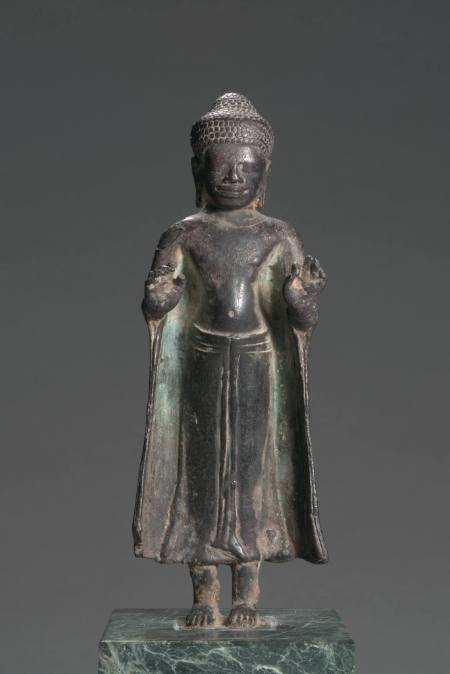
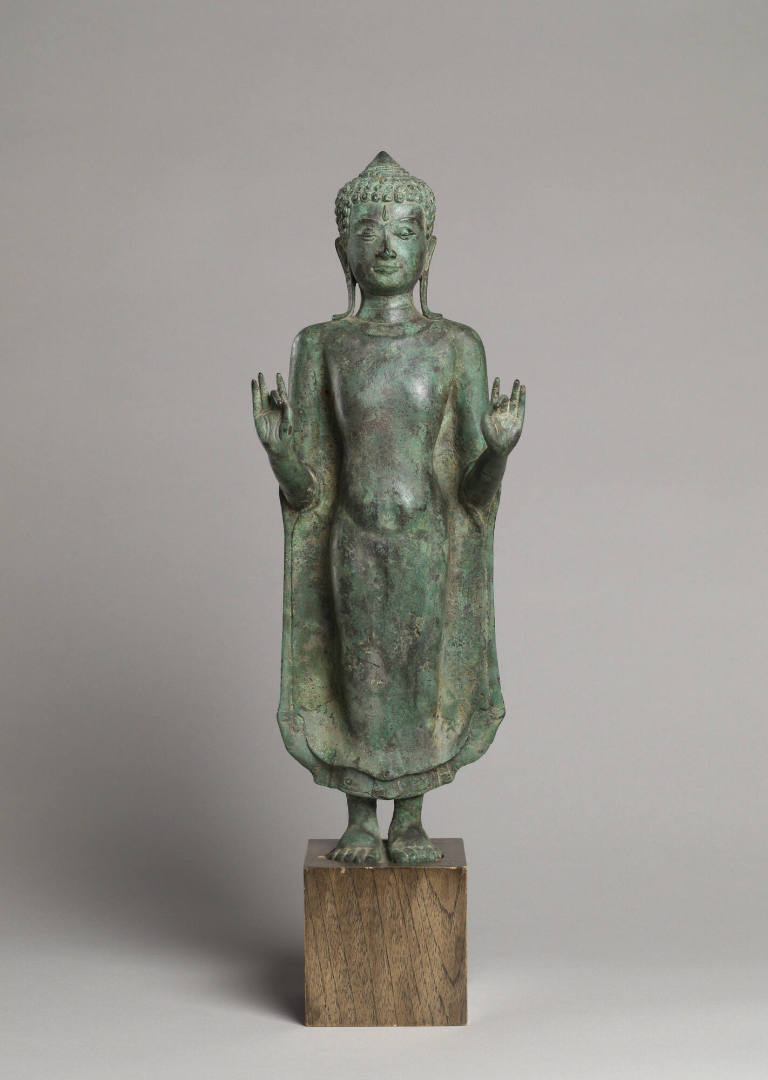


Standing Buddha
Maker
Unidentified artist
Date9th-10th century; Dvaravati Period
MediumBronze
DimensionsHeight: 21 inches (53.3 cm)
CultureThailand
PeriodDvaravati period
ClassificationsSculpture
Credit LineAcquired through the Museum Associates Purchase Fund
Terms
- Sculpture
- Thai
- Bronze
- Buddha
- Buddhism
- Gestures
- Hinayana
- Religion
- Robes
- Teaching
- Theravada
Object number64.0007
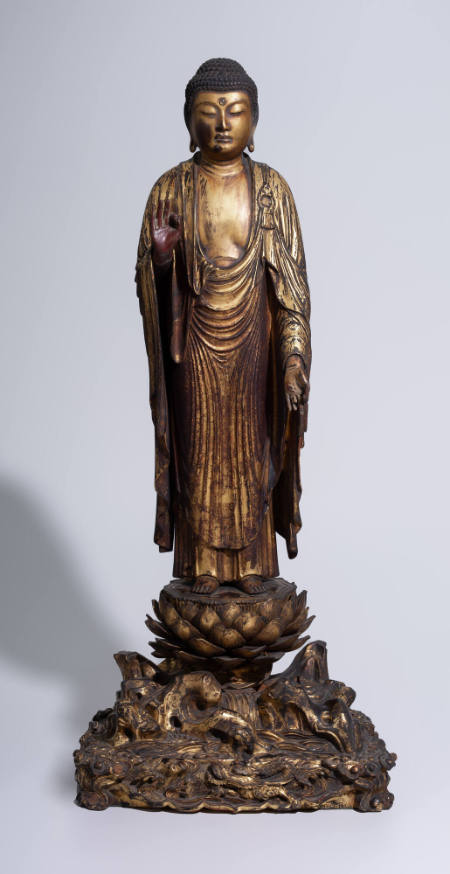
Label CopyA distinctive style of sculpture flourished in central Thailand from the seventh to tenth centuries under an obscure Mon-speaking kingdom known as Dvaravati, where Buddhism was the predominant religion. Characteristic of the Mon-Dvaravati style, this Buddha holds both hands in the gesture of teaching (vitarka mudra), and his smooth, symmetrical robe emphasizes the idealized physique and vital life, or breath (prana), of the enlightened being.Collections

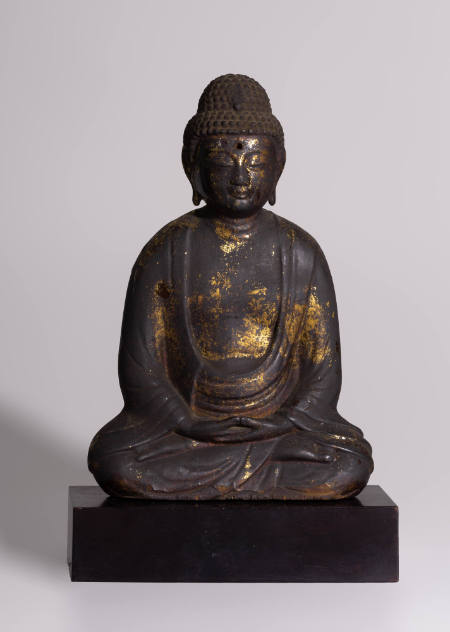
Kamakura Period (1185-1333)

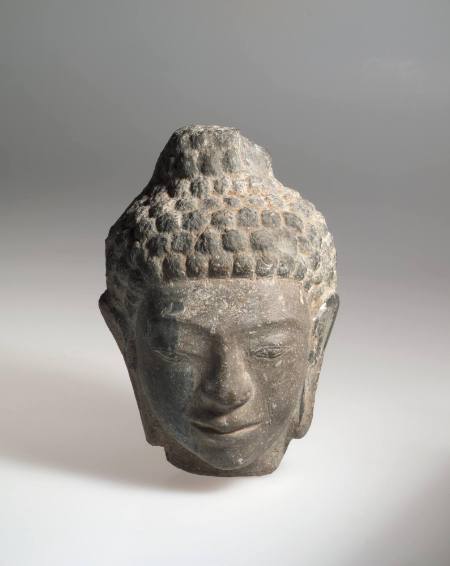
ca. AD 500
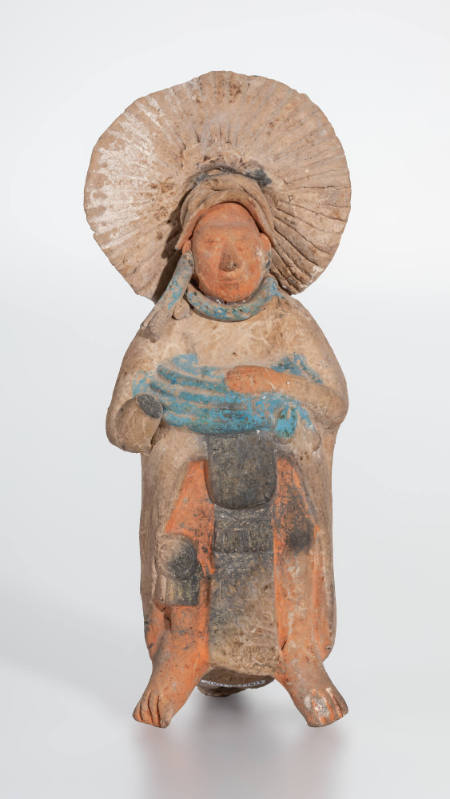
600–900 CE
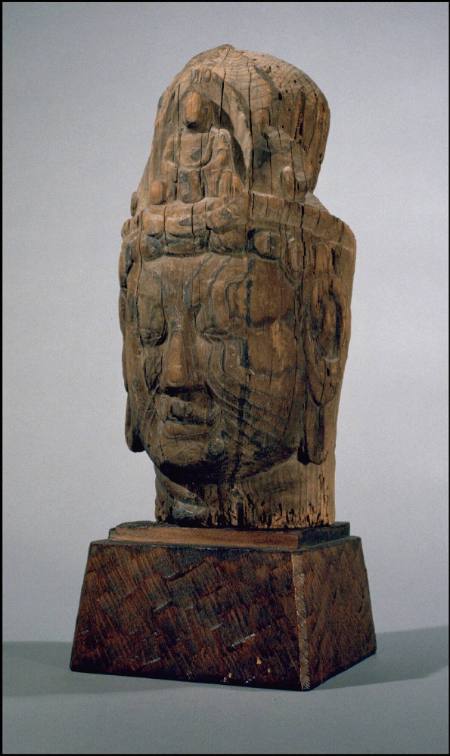
Nara period, late 8th-early 9th century