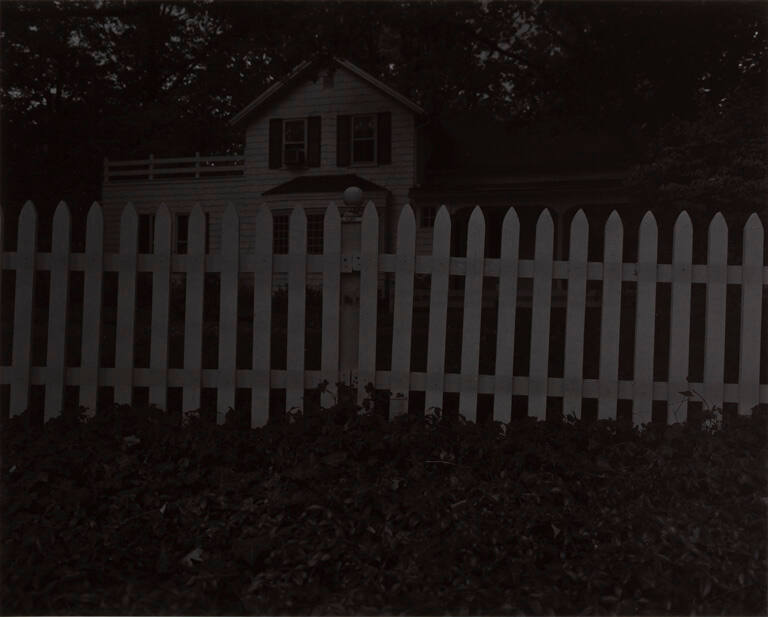
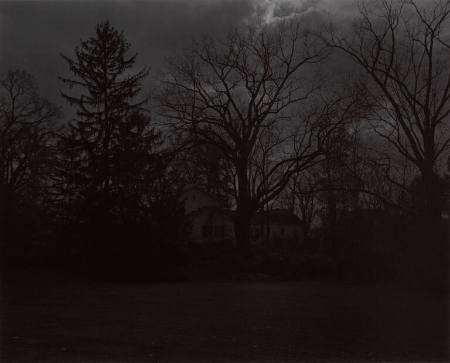
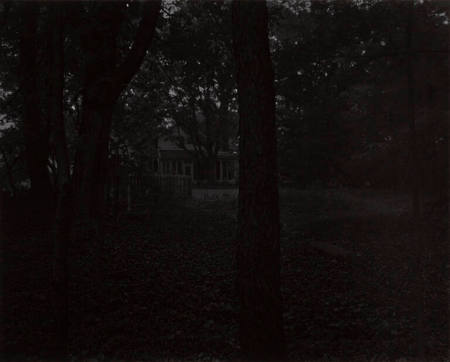
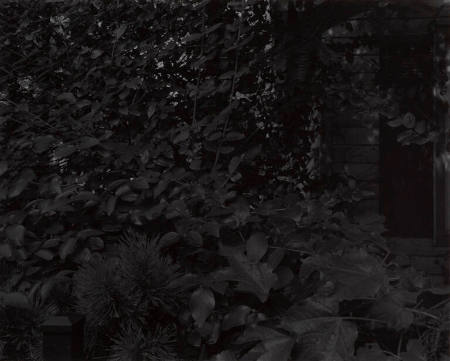
Untitled #1 (Picket fence and farmhouse), from the portfolio Night Coming Tenderly, Black
Artist
Dawoud Bey
(American, born 1953)
Date2017 (negative); 2018 (print)
MediumGelatin silver print
Edition 7/10 + 2 AP
DimensionsImage: 17 1/2 × 21 7/8 inches (44.5 × 55.6 cm);
Frame: 24 1/4 × 28 1/4 × 1 3/8 inches (61.6 × 71.8 × 3.5 cm)
Frame: 24 1/4 × 28 1/4 × 1 3/8 inches (61.6 × 71.8 × 3.5 cm)
ClassificationsPhotographs
Credit LineAcquired through the Nancy Horton Bartels, Class of 1948, Endowment
Terms
- Photographs
- American
Object number2019.038 a
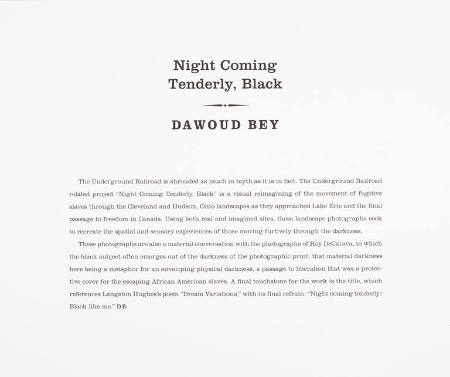
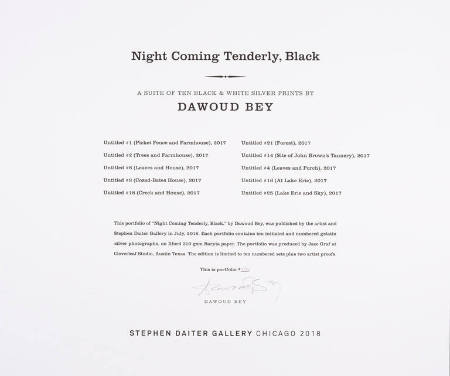
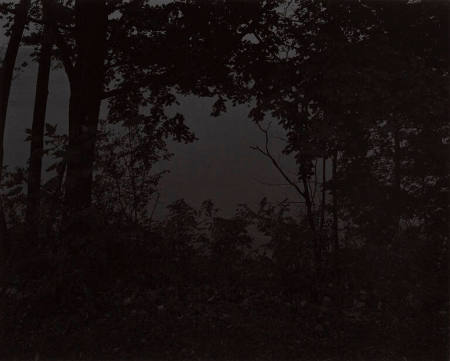
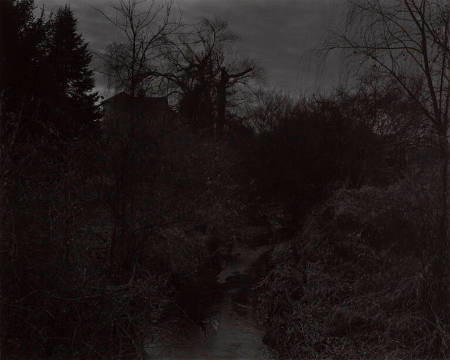
Label CopyThe title of Dawoud Bey’s Night Coming Tenderly, Black references the 1926 poem “Dream Variations” by Langston Hughes. Bey’s images attempt to re-create the nineteenth-century experience of enslaved peoples escaping captivity, treading north through an unknown landscape and navigating the Underground Railroad’s network of secret routes and safe houses. Cleveland was one of the final way stations before reaching Canada, across Lake Erie, and the work was commissioned for the first edition of FRONT International: Cleveland Triennial for Contemporary Art. The ten photographs on view here were chosen by the artist for a portfolio that was derived from a series of twenty-five much larger photographs also printed on gelatin silver paper to obtain a greater illusion of depth.
While the pictures were all shot during daylight hours in the vicinity of Cleveland and Hudson, Ohio, their eventual darkness was arrived at through the printing process. The tones in Bey’s photographs are reminiscent of Roy DeCarava’s work, whose influence Bey very much felt while working on the series. “DeCarava printed very dark, making photographs of black subjects that were often enveloped in a lush and seductive blackness,” Bey noted. “He wanted that black to be a thing of beauty, both the subjects and the photographs themselves. When I thought about the fugitive black bodies moving through the darkness of the landscape, those things put me in mind of DeCarava.”
Night Coming Tenderly, Black is a successor to Bey’s The Birmingham Project, his 2013 series addressing the 1963 bombing of a Baptist church in Alabama that killed four young African American girls. It inaugurated his deepening interest in visualizing African American history after an almost forty-year career as a renowned portraitist. ("how the light gets in," curated by Andrea Inselmann and presented at the Johnson Museum September 7-December 8, 2019)
Collections
Dawoud Bey
2017 (negative); 2018 (print)
Dawoud Bey
2017 (negative); 2018 (print)
Dawoud Bey
2017 (negative); 2018 (print)
Dawoud Bey
2017 (negative); 2018 (print)
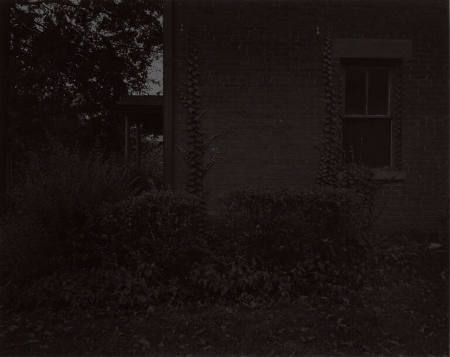
Dawoud Bey
2017 (negative); 2018 (print)
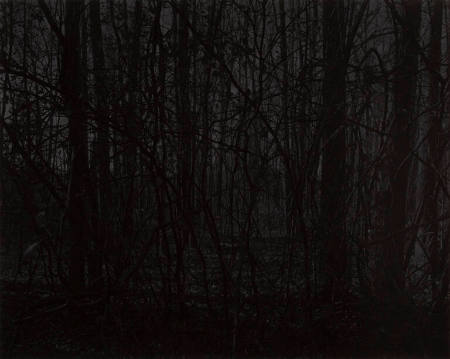
Dawoud Bey
2017 (negative); 2018 (print)
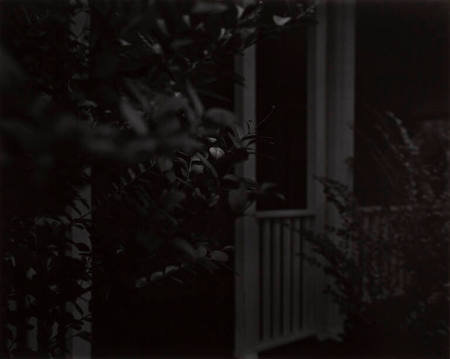
Dawoud Bey
2017 (negative); 2018 (print)
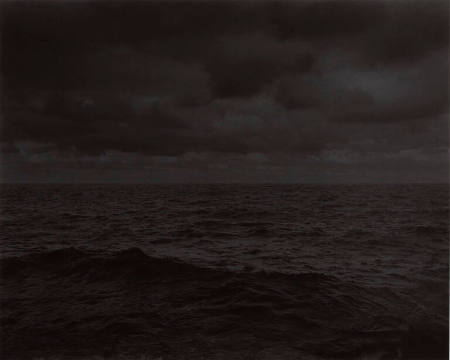
Dawoud Bey
2017 (negative); 2018 (print)
Dawoud Bey
2017 (negative); 2018 (print)